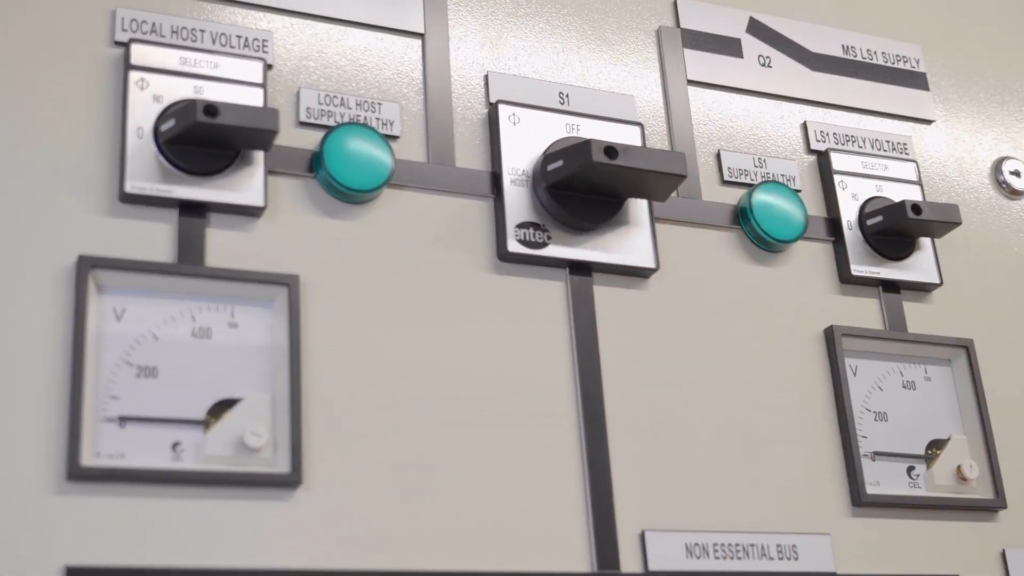
Electrical switchboards and control panels are critical to the safe and reliable operation of industrial and commercial facilities. They sit at the centre of power distribution, automation, safety, and operational continuity.
Yet many facilities still operate with ageing switchboards designed for lower load demands, older compliance frameworks, and far simpler control systems.
For plant managers, project engineers and facility operators, the question is not whether upgrades will be required, but when.
Identifying the warning signs early allows businesses to plan strategically, rather than reacting to failure, downtime, or compliance issues.
The role of switchboards and control panels in modern facilities
Industrial switchboards do far more than distribute power. They must safely manage and interact with:
- Increased electrical loads
- Motor control centres (MCCs)
- PLC and SCADA systems
As systems become more complex, demands on electrical infrastructure increase. Switchboards must provide proper segregation, protection, thermal management, accessibility, and capacity for expansion.
When infrastructure no longer meets these requirements, operational risk increases.
1. Infrastructure is beyond its design life
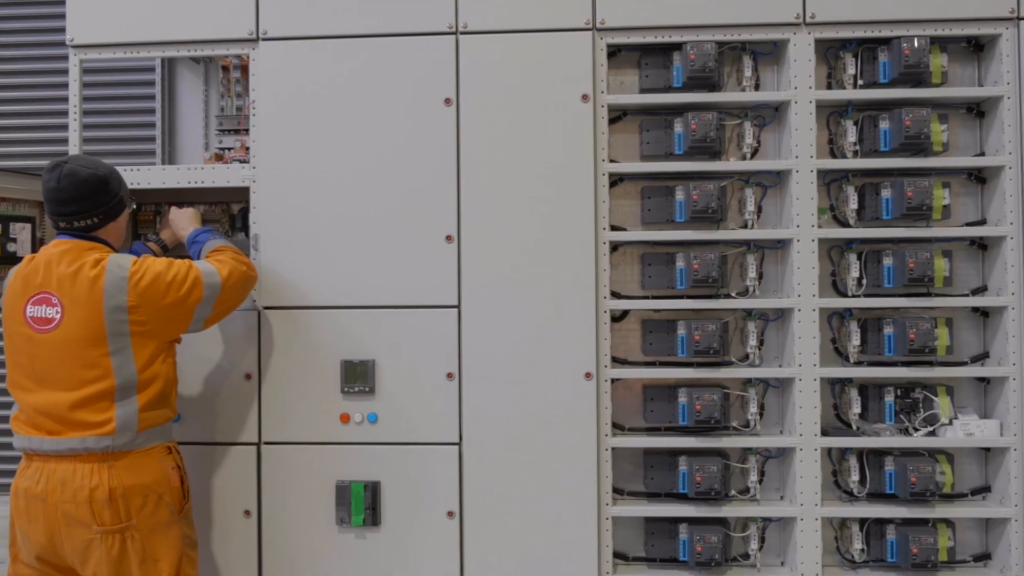
Switchboards installed 20–30 years ago were built for lower demand and earlier standards.
While enclosures may remain serviceable, internal components (breakers, busbars and protection devices) degrade over time. Insulation ages, fault levels increase, and spare parts become difficult to source.
Age alone does not mandate replacement, but it should trigger assessment.
Facilities operating legacy switchboards with limited documentation, outdated schematics or non-standard components should consider an upgrade review.
2. Electrical capacity has reached its limit
As facilities grow, electrical demand increases. Warning signs include:
- No spare capacity for new circuits
- Temporary distribution boards used long-term
- Overloaded breakers
- Limited fault tolerance
Adding automation, high-efficiency motors, HVAC systems or mechanical equipment can push existing switchboards beyond their intended capacity. An engineered upgrade provides:
- Accurate load calculations
- Coordinated protection
- Capacity for future expansion
Upgrading during planned growth is far less disruptive than emergency replacement.
3. Control panels cannot support modern automation
Automation is now standard in industrial environments. PLC systems, SCADA integration, remote monitoring and digital controls require modern panel design. Older panels often lack space, segregation and cooling to safely support upgrades. Modern electrical control panels offer:
- Clear segregation of power and control circuits
- Improved cable management
- Accessible layouts for maintenance
- Integration of pneumatic systems
- Dedicated chemical dosing assemblies where required
Timely upgrades improve reliability, serviceability and long-term performance.
4. Repeated faults or downtime
Frequent tripping, overheating, motor failures or protection issues often indicate infrastructure strain. Ageing switchboards can contribute to:
- Inadequate protection coordination
- Loose or deteriorated terminations
- Obsolete devices
Unplanned downtime carries significant cost. A structured assessment can determine whether refurbishment, staged upgrade or full replacement is required.
5. Compliance requirements have evolved
Electrical standards continue to advance. Older switchboards built to superseded standards may no longer meet current expectations.
To support compliance, Entec has partnered with a cloud-based QA system tailored to switchboard and control panel manufacturing and inspection, as well as other aspects of electrical installation projects.
This digitised workflow ensures inspections and testing are completed accurately and recorded in real time — particularly important in hazardous environments where detailed documentation is legally required.
Businesses often identify compliance gaps during expansions, insurance renewals or audits. Proactive upgrades prevent costly delays.
6. Components are obsolete or difficult to source
Obsolescence increases operational risk. When critical breakers or contacts fail, long lead times can halt production. In some cases, replacements are no longer available. Upgrading enables:
- Standardised components
- Improved availability
- Clear documentation and labelling
- Simplified maintenance
This supports long-term asset management rather than reactive repair.
7. Major plant upgrades or new installations are planned
New plant rooms, pump stations, process skids and treatment facilities require integrated electrical solutions.
Switchboards and control panels should form part of a coordinated engineering strategy, not isolated hardware.
Entec’s TCE Controls division manages projects through structured load analysis, detailed schematics, Factory Acceptance Testing (FAT), and comprehensive documentation.
Where pneumatic control and chemical dosing systems are involved, integrated design ensures cohesive operation and smoother commissioning.